CSDD Driving Test Cars in Latvia: What to Expect
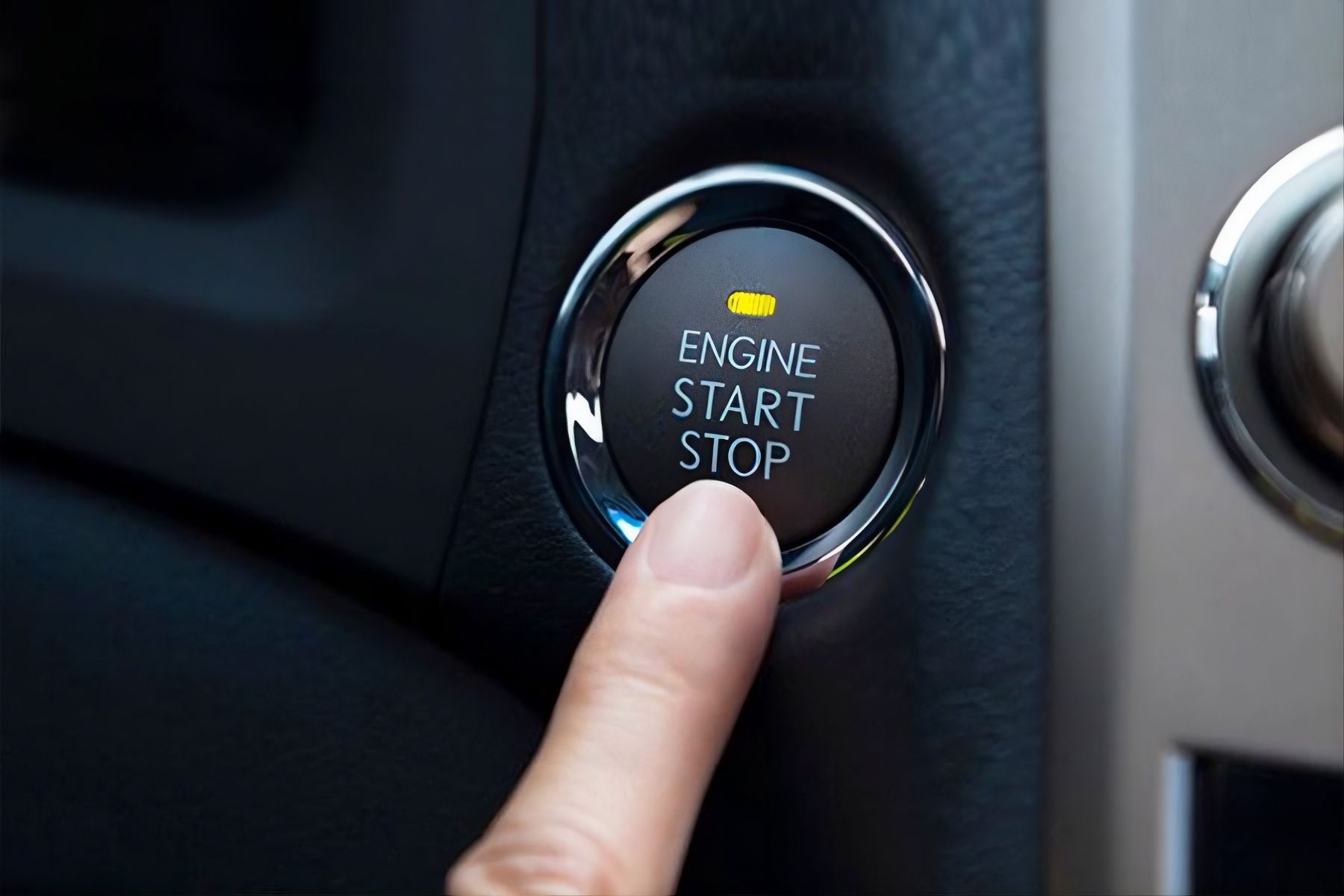
For many learner drivers, the CSDD driving test car feels almost as important as the route or the examiner. In practice, the result depends on safe vehicle control and sound decisions, but knowing what to expect can reduce unnecessary stress. This guide explains which cars are currently used for the category B practical test in Latvia, what to expect from a manual Kia Ceed and how to prepare if your training car is different.
Which cars does CSDD currently use for category B tests?
Since 2024, CSDD has mainly used petrol-powered Kia Ceed cars for category B driving tests taken with a manual gearbox. The new fleet replaced the Volkswagen Golf 7, Audi A3, Volkswagen T-Roc and other models that had previously been used at different test centres.
The CSDD procurement covered 45 cars adapted for driving tests. They were introduced gradually at CSDD customer service centres around Latvia. The vehicles are registered as training cars and have dual controls for the examiner, together with video and audio recording equipment. The recording documents the test and can be reviewed if a candidate challenges the result.
A particular model, specification or individual car is not guaranteed. A computer system assigns the test car and examiner, while technical, operational or availability issues may require a centre to use another compliant vehicle. This is particularly relevant to tests taken in an automatic car. You may ask the chosen CSDD centre what is currently available, but your preparation should enable you to drive any similar car safely.
What should you know about the Kia Ceed?
The Kia Ceed is a compact hatchback with dimensions and controls suited to everyday traffic and driving assessments. The most noticeable change for some candidates is the combination of a petrol engine and a manual clutch, especially if most lessons were taken in a diesel car. Pulling away in a petrol car can require more deliberate coordination between the clutch and accelerator.
Clutch control and moving off
Before moving, calmly identify the clutch biting point and add steady accelerator input where necessary. Do not mechanically repeat a routine learnt in another car. Listen to the engine, feel how the car responds and release the clutch progressively. If the engine stalls, stay calm, secure the car, restart it using the procedure appropriate to that vehicle and continue only when it is safe. A single stall is not automatically a failed test in every situation; the risk created and the way you respond are what matter.
Driving position, mirrors and visibility
Adjust the seat so that you can press the clutch fully without locking your leg or losing contact with the seat back. Set the backrest, head restraint, steering wheel and all mirrors, close the doors properly and fasten your seat belt. A correct driving position gives you better pedal control, a clearer understanding of the car's dimensions and a safer view of the road. It also demonstrates that you can prepare a vehicle for driving without being prompted through every step.
Controls and driver-assistance systems
Before setting off, locate the light, indicator, windscreen-wiper, hazard-warning and parking-brake controls. Check the gear pattern and read the instrument panel. A test car may have parking sensors, a reversing camera, lane assistance, collision warning or other driver-assistance systems. Treat them as aids only. During a manoeuvre, continue to use the mirrors, check blind spots and observe the full surroundings instead of relying solely on a display or an audible warning.
Can you use your own car or the driving school's car?
No. A standard category B practical test in Latvia must be taken in a vehicle owned or held by CSDD. This requirement is set by the Cabinet regulations. The exception is a candidate whose medical assessment permits them to drive only a specially adapted vehicle. An identical training and test car is therefore not a requirement for taking the test.
The best preparation is to build skills that transfer between vehicles: accurate pedal control, systematic observation, an appropriate choice of speed, early planning and the ability to locate unfamiliar controls without panic. Presto's category B training develops both technical vehicle control and independent decision-making in varied traffic conditions.
Should you take the test in a manual or an automatic car?
The category B driving test can be taken in either a manual or an automatic car. CSDD states that an automatic category B test is available at all ten customer service centres that conduct driving tests. The exact automatic model may vary between centres and dates, so confirm current availability with the centre rather than preparing for one specific model.
If you pass in an automatic car, your driving licence receives restriction code 78. This permits you to drive vehicles with an automatic transmission only. If you later want to drive a manual car, you must pass a CSDD practical test in a manual vehicle. You do not have to repeat the driving-school theory course, but after passing the manual test you must exchange the licence so that the restriction is removed.
What vehicle knowledge is checked before the drive?
The practical test is not simply a drive along a route. The examiner asks the candidate to complete one vehicle-related task selected by the computer system. You should be able to identify the relevant equipment, explain why it matters or demonstrate the required check. The task may cover:
- identifying summer or winter tyres, checking tyre pressure or explaining safe wheel replacement;
- checking engine oil, coolant or windscreen-washer fluid;
- operating the windscreen wipers, exterior lights or hazard-warning lights;
- explaining warning lamps and instruments on the dashboard;
- describing how to check the braking system;
- explaining cruise control, distance sensors, automatic emergency braking, lane assistance or blind-spot monitoring.
Learning these topics is useful beyond the test. A responsible driver should recognise when a car may be unsafe to drive and understand when a warning or assistance system requires attention.
How does the category B practical test work?
After preparing the car and completing the vehicle-knowledge task, you drive in real traffic. The examiner assesses vehicle control, compliance with signs and road markings, priorities, lane changes, speed and following distance, hazard anticipation, consideration for vulnerable road users, and smooth, economical driving. CSDD describes the road-driving element as lasting approximately 40 minutes, while the statutory minimum for category B driving in traffic is 25 minutes.
A computer program selects two special manoeuvres for the test. They may include parallel parking, perpendicular parking, approaching an obstacle while controlling the clearance, turning around to face the opposite direction, or braking to stop accurately. At least one manoeuvre involves reversing. For category B, these manoeuvres are performed in real traffic rather than as a compulsory stand-alone set of exercises on a closed test ground.
The test also includes an independent-driving section. For at least five minutes you must travel towards a destination specified by the examiner, following road signs or a navigation system. If an instruction is unclear, ask the examiner to repeat it. You are not expected to make a sudden or prohibited manoeuvre merely to follow a direction. Road safety and the traffic rules always take priority.
Can you use the reversing camera and parking sensors?
You may use the car's standard equipment as an aid, but it does not replace direct observation. A reversing camera covers only part of the surroundings, sensors may not detect every low, narrow or moving object, and lane assistance cannot make decisions for the driver. During a manoeuvre, use the mirrors, look over your shoulder, monitor the front and sides of the car and move slowly enough to stop immediately.
How can you become familiar with a CSDD test car?
Using an identical car is not compulsory, but one or more lessons in a similar Kia Ceed may help you understand the clutch, steering response, dimensions and control layout. When choosing a Presto driving instructor, check the listed training car and transmission. Changing cars or instructors during training can also be useful because it develops adaptability instead of dependence on one car's exact behaviour.
CSDD offers a voluntary category B and BE driving-skills check using a CSDD test vehicle. A category B candidate must have completed driving-school training and passed the CSDD theory test. The service is available only when demand for official tests is not high, so appointments cannot be guaranteed. Its content is similar to the practical test, and the inspector explains the assessment and prepares a report afterwards.
A practical checklist for test day
- Arrive in good time. Allow time to register, but avoid a needlessly long wait that increases anxiety.
- Bring valid identification. Check CSDD's current booking and document requirements before travelling.
- Take time to adjust the car. The seat, steering wheel, head restraint, mirrors and seat belt are the foundation of safe control.
- Locate the essential controls. Lights, wipers, hazard warnings, parking brake and reverse gear should not become a surprise once the car is moving.
- Learn the pedals during the first metres. Use smooth inputs and do not expect the car to feel identical to your usual training vehicle.
- Watch the traffic, not the examiner. The assessment is about independent, safe and predictable driving.
- Do not turn one error into another. If you choose the wrong lane or miss a turn, continue safely and follow the next instruction.
Before the appointment, read CSDD's official category B driving-test information. Fees and service availability can change, so verify them on the CSDD website or in e-CSDD rather than relying on an older article or social-media post.
Frequently asked questions about CSDD test cars
Which car is currently used for the CSDD category B test?
For manual tests, CSDD mainly uses petrol-powered Kia Ceed cars introduced in 2024. The individual vehicle and specification can vary according to the centre, availability and type of test.
Will the test definitely be in a Kia Ceed?
The Kia Ceed is the main model in the current manual test fleet, but a specific car cannot be guaranteed. CSDD's computer system assigns the car and examiner, and another compliant vehicle may be used when necessary.
Must I take lessons in a Kia Ceed before the test?
No. A lesson in a similar car may reduce anxiety and help you understand the clutch, but the more important skill is being able to adapt safely to any suitable vehicle.
Does stalling the engine mean an automatic fail?
Not in every case. The examiner considers your overall competence, the risk created and your response. A stall that creates danger or reveals inadequate control can be serious, while a calm and safe recovery is assessed in context.
Can I take the category B test in an automatic car?
Yes. CSDD offers the automatic test at all ten centres that conduct practical tests. Passing in an automatic results in code 78 on the licence, limiting you to automatic vehicles.
How much does the category B practical test cost?
The CSDD price list currently states EUR 50.57 for the category B practical test and EUR 41.07 for the voluntary driving-skills check. Prices may change, so check the current CSDD fee page before booking.
Is navigation used during the test?
During the independent-driving section, you drive towards a specified destination for at least five minutes by following road signs or a navigation system. Ask for an instruction to be repeated if needed and always choose a safe, lawful action.
What matters more: a familiar car or good driving skills?
A familiar car can reduce stress, but the test result depends on competence: safe control, awareness, observation, planning and sound decisions. Learn to drive a car, not merely to memorise one particular model.