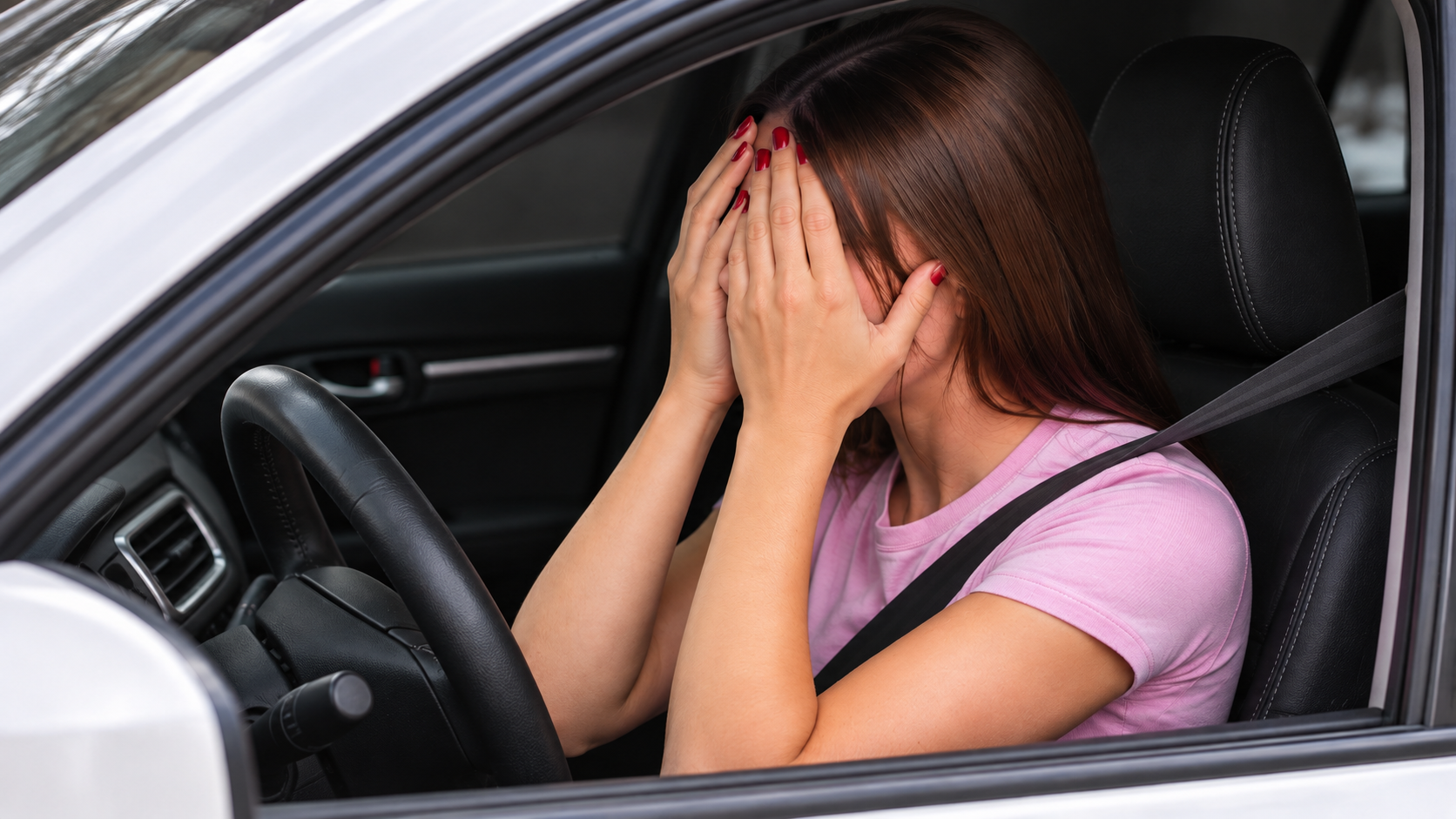
A confident driver is not someone who never has doubts. They notice risks, adapt to conditions and know which skills still need practice. Uncertainty can arise just after passing the driving test, after a long break, or even after many years behind the wheel. Darkness, busy traffic and slippery roads are common triggers.
Confidence does not come from reading theory alone, nor from forcing yourself straight onto the hardest route. It develops through deliberate practice, useful feedback and tasks that become gradually more demanding. This guide explains how to refresh everyday driving skills and prepare for winter conditions in Latvia.
Why can confidence behind the wheel fade?
A break from driving is one common reason. A driver may remember the rules but be out of practice at watching the road, mirrors, signs and other road users at the same time. An unfamiliar car, heavy traffic, a difficult past experience or tiredness can also reduce confidence. Excessive confidence carries its own risk: it can hide mistakes and leave too little margin for safety.
If driving causes strong anxiety, set a small and specific goal. First, reacquaint yourself with the vehicle controls and drive a familiar route in daylight. Add more complex junctions or night driving later. If a health condition or medication might affect your reactions, consult a doctor before driving.
How can you rebuild driving skills safely?
Start with the car, not a difficult route
Before setting off, adjust the seat, backrest, steering wheel and mirrors. Make sure you can reach the pedals comfortably and see the surrounding traffic. Find the window demister, wipers, fog lights and hazard lights. If the car is unfamiliar, taking time for these checks matters more than rushing onto the road.
Practise one specific skill
Choose a situation you find difficult: parking, starting on a hill, joining traffic or changing lanes safely. Repeat it in a quieter setting while following the road rules. After each drive, briefly consider what went well and where you needed more time to decide. This helps distinguish a particular skill gap from a general feeling of uncertainty.
Allow time and leave a safety margin
Rushing encourages harsh braking, unnecessary overtaking and mistakes at junctions. Leave earlier, choose a less demanding route and keep a suitable following distance. If it is not clearly safe to overtake, do not make the manoeuvre. If you are tired, stop and rest; experience cannot replace attention.
Winter driving: how do you prepare and stay in control?
Winter driving requires a larger safety margin. Grip may change along a single journey: a city street is wet, while a bridge or shaded stretch is already icy. Latvian State Roads warns that snow and ice can return even after a road has been cleared or treated.
Before you leave
- Check the tyres. In Latvia, cars and buses with a maximum authorised mass of up to 3.5 tonnes must have winter tyres marked with the mountain-and-snowflake symbol, or 3PMSF, from 1 December to 1 March. The minimum tread depth is 4 mm. Fit suitable tyres earlier if cold weather or frost arrives before the mandatory period. An M+S marking alone is not sufficient during the winter period.
- Make sure you can see and be seen. Clear snow and ice from the windows, lights and roof. Check the wipers, lights and suitable non-freezing screen-wash fluid.
- Check conditions. Look at the forecast and current road conditions. Allow extra time, choose another route if necessary, or postpone a non-essential trip.
On snow or ice
Reduce speed before a bend, increase the distance to the vehicle ahead, and steer, accelerate and brake smoothly. Stopping distances are longer on slippery surfaces, so the posted speed limit may be too fast for the conditions. Be especially careful on bridges, overpasses, near water and on surfaces that merely look wet. Put off overtaking if visibility or grip does not allow you to complete it safely.
If the car starts to skid, avoid sudden, unconsidered steering or pedal inputs. The appropriate response depends on the drive system, available grip and the exact situation. Do not practise skids or emergency stops in a public car park where other cars or people may be present. For practical training, use an authorised, purpose-made area with a qualified instructor.
The Latvian Ministry of Transport explains the winter tyre requirements and seasonal safety advice. These principles remain useful each winter, but check current rules and your vehicle’s condition before the season.
Is a lesson with an instructor useful if you already have a licence?
An individual lesson can help identify why a particular manoeuvre feels stressful and how to perform it more safely. Tell the instructor your goal beforehand: perhaps parking in a tight space, driving in darkness or planning a route in winter weather. A useful outcome is a specific practice plan, not a promise that one lesson will eliminate every fear.
You can review Presto driving instructors online. If you already hold a licence and want to refresh your skills, ask which type of lesson is available for your circumstances before booking. Do not assume that a specialised winter-driving course is automatically offered.
Frequently asked questions
How do I regain confidence after a long break?
Start with a short, familiar route in calm conditions and practise using the car’s controls. Choose one skill to work on. Once you can do it consistently, add more demanding conditions gradually. Ask an instructor for feedback if needed.
Are winter tyres alone enough for safe driving?
No. Suitable tyres are essential, but speed, following distance, visibility and smooth manoeuvres must still match the road surface. An already treated road can become icy again.
Should I always drive at the posted maximum speed in winter?
No. The speed limit is a maximum, not a target. Choose a lower speed that is safe for snow, ice or poor visibility.
Where can I safely learn what to do if a car skids?
The safest option is a purpose-made training area with a qualified instructor and no other road users nearby. An ordinary public car park is not a safe place to experiment.
Smart driving means continuing to learn after the test: recognising weaker skills, preparing the car and choosing a pace that suits the road. If you want to improve a particular skill, discuss a safe, gradual practice plan with an instructor.